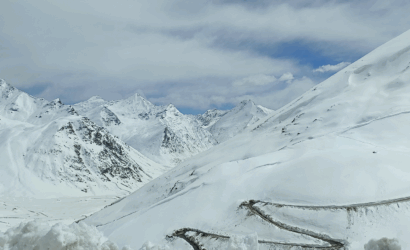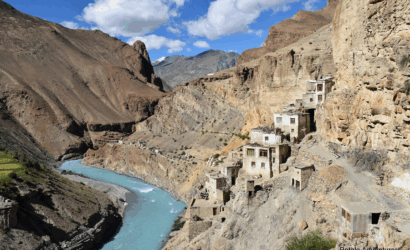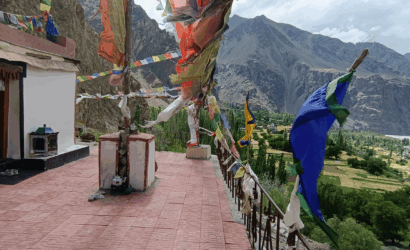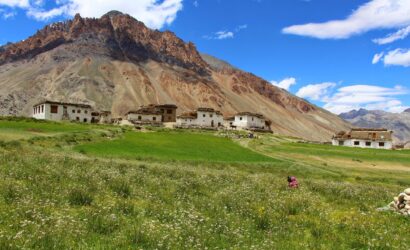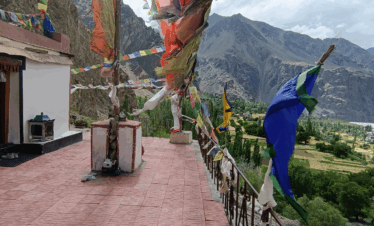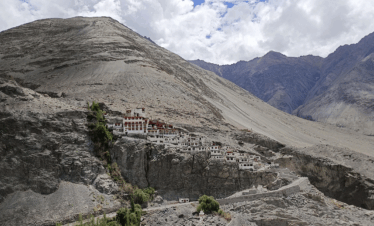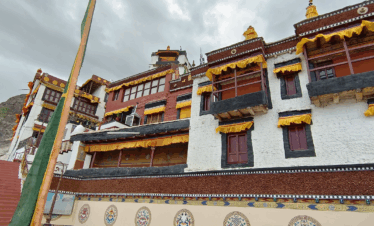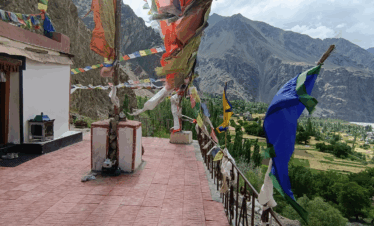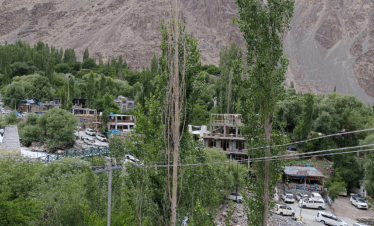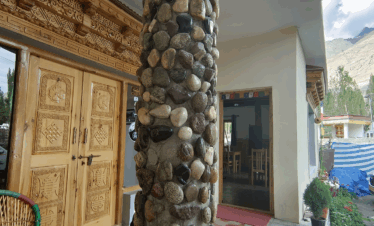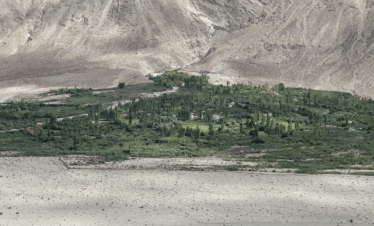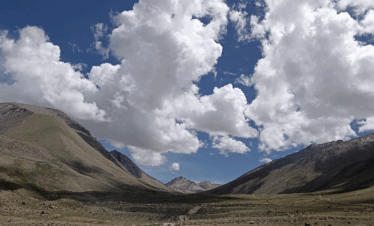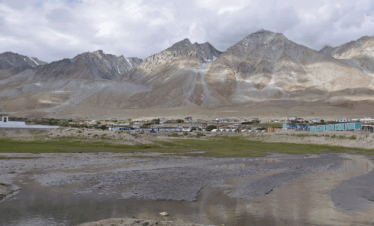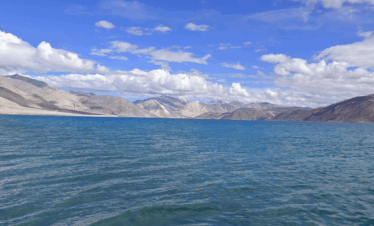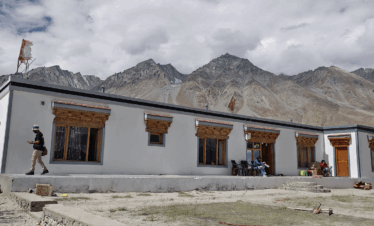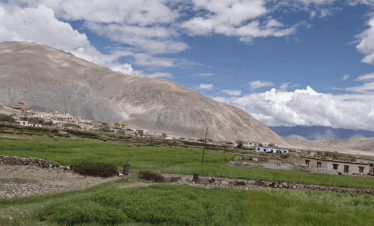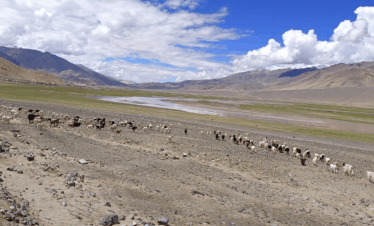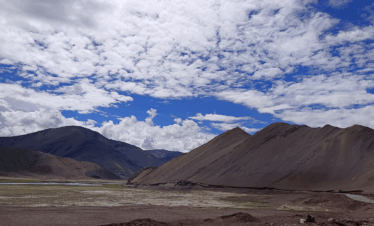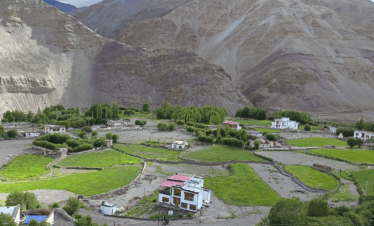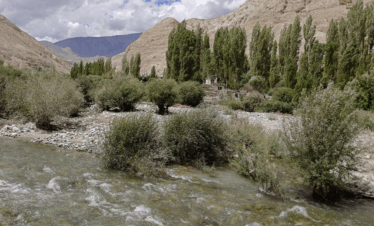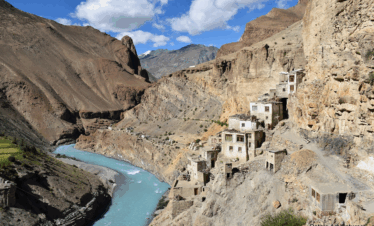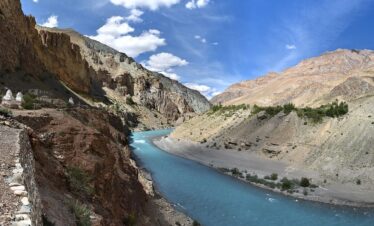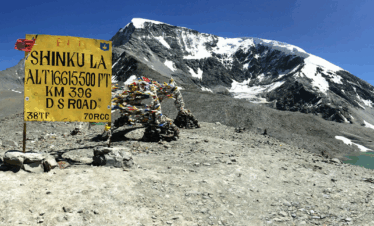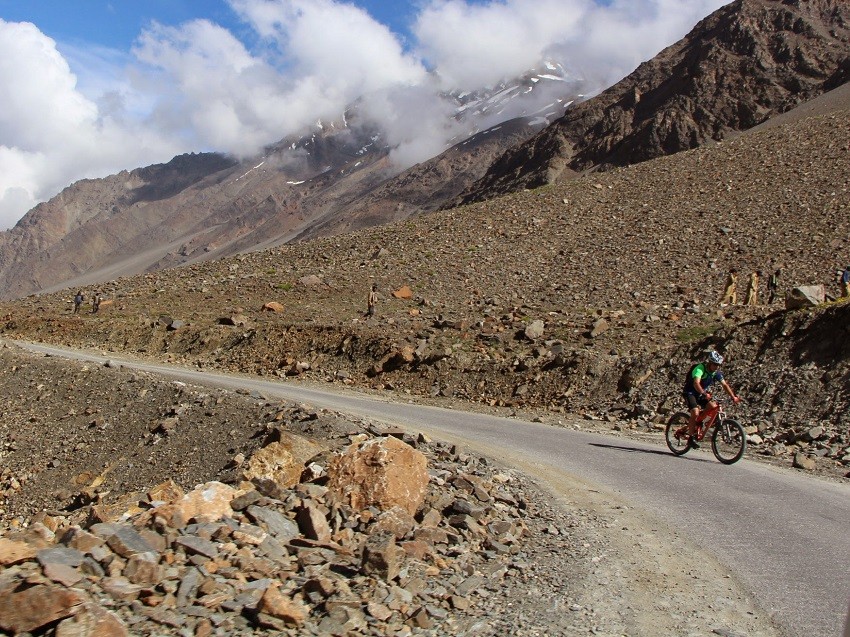
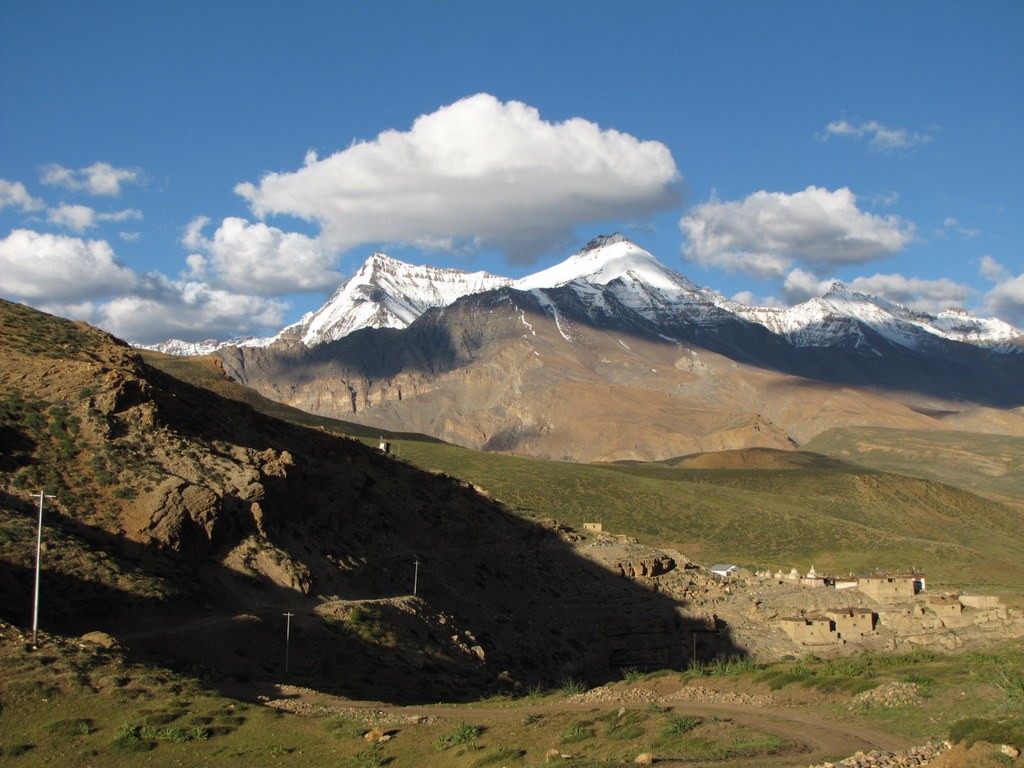
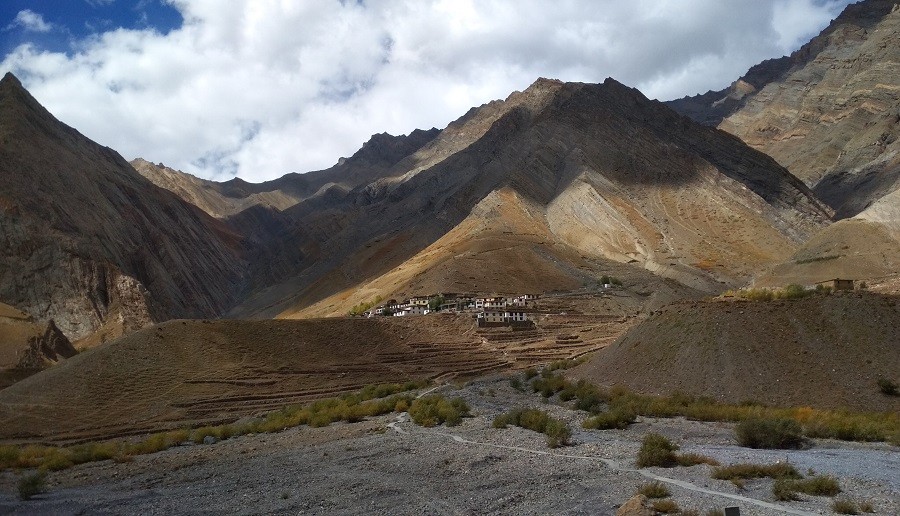
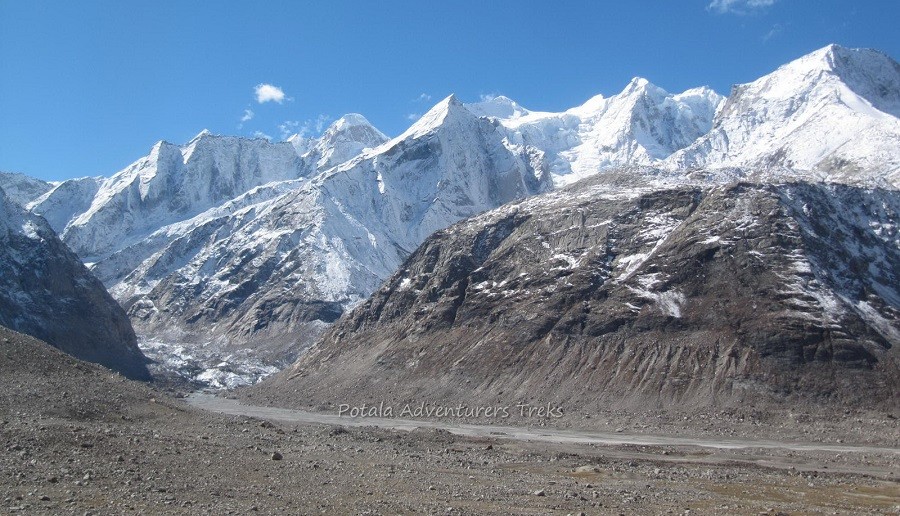
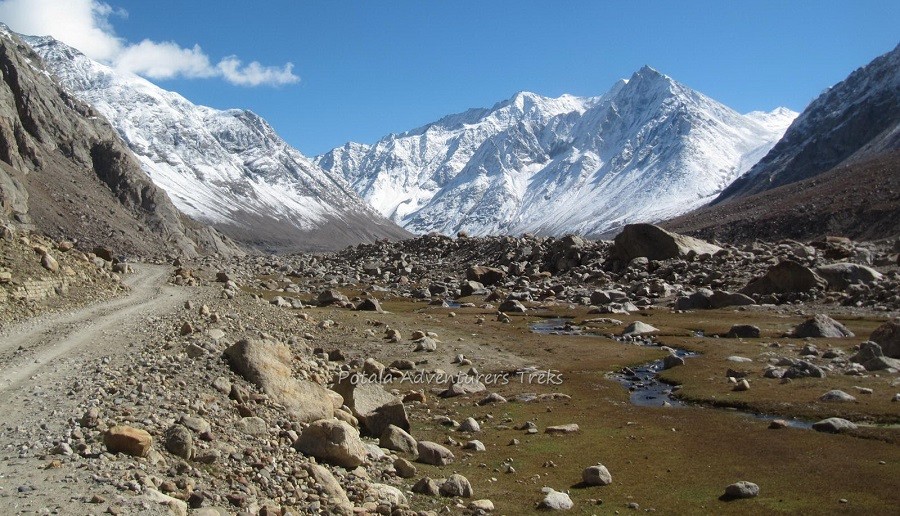
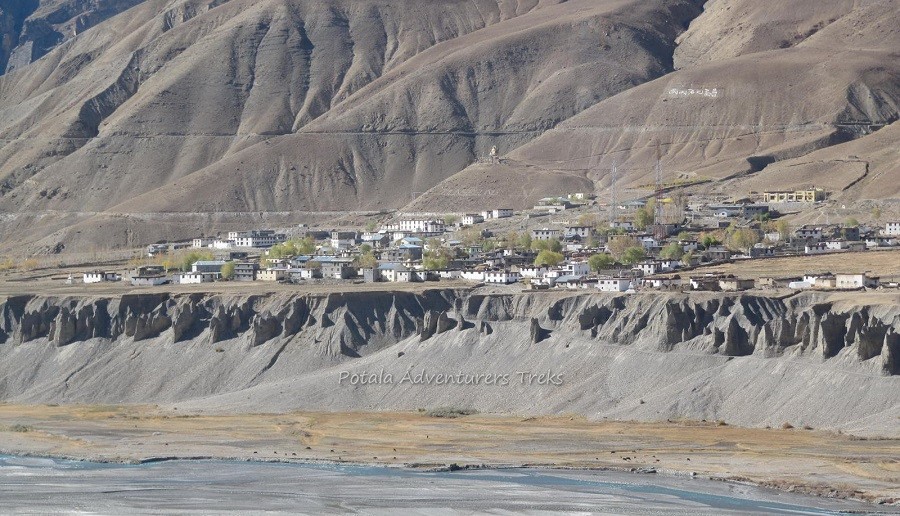
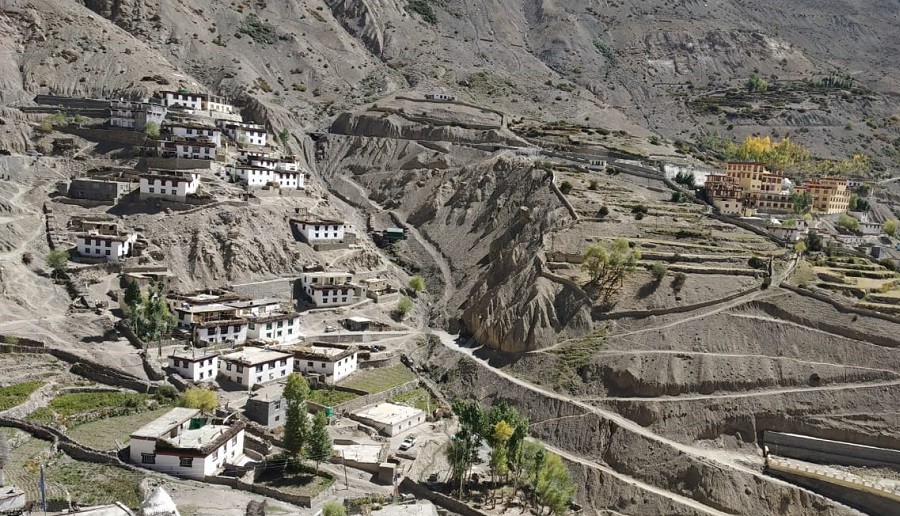
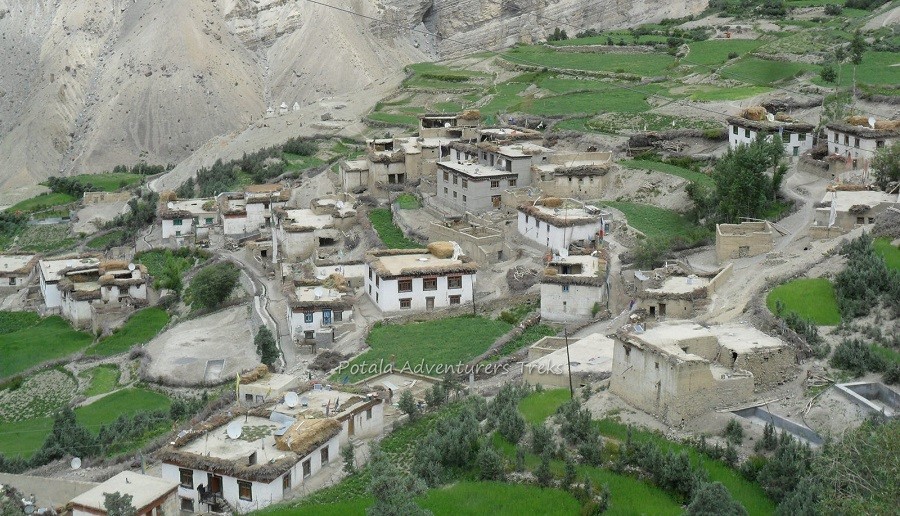
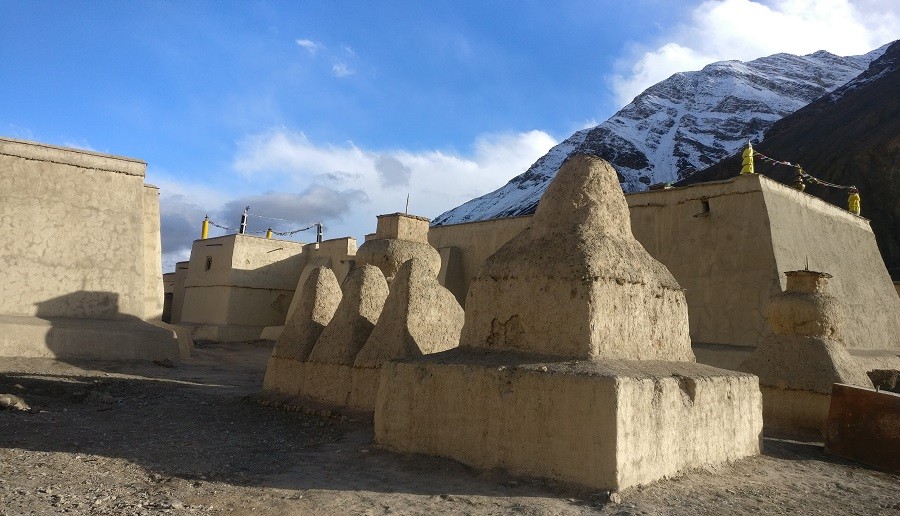
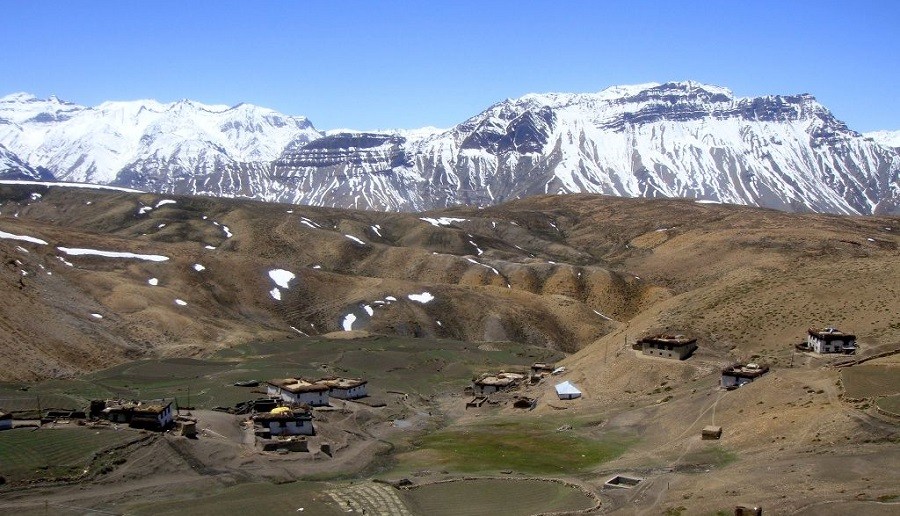
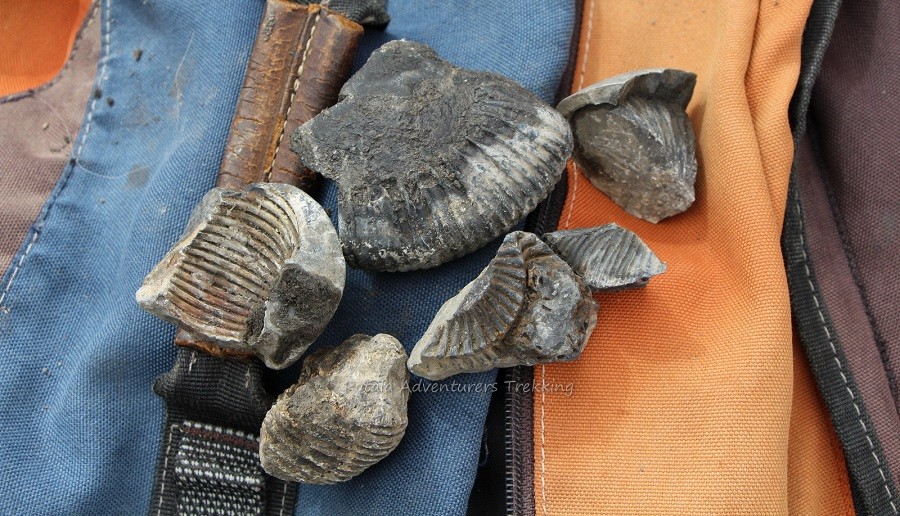
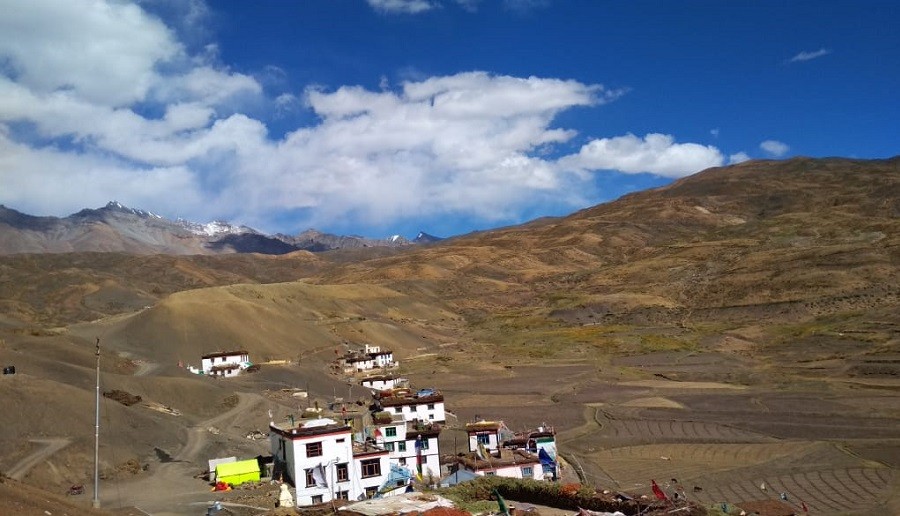
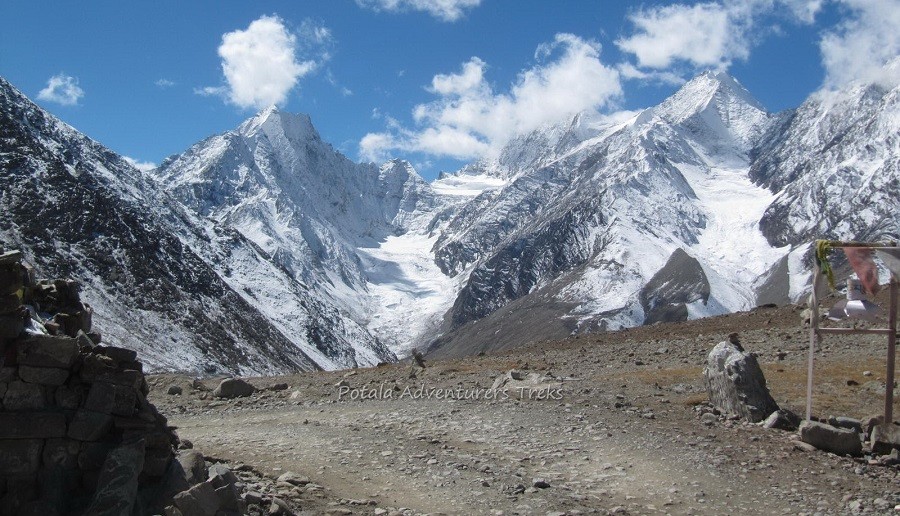
Spiti valley is located on the Tibetan border enclosed on the South East by Tibet, North West by Ladakh, and West by Lahaul and Kullu. Geologically and archeologically Spiti valley is a living museum. Spiti valley is high altitude cold desert and in its lunar landscapes are still stretches, where every other rock is fossils. Spiti valley is formed by the Spiti River, which rises on the slopes of Kunzom La (4’551 m) and ends at the river confluence with Pare-Chu near Sumdo. The length of the valley is about 150km. En route, the Spiti River receives the water of many streams: Guindi Nala, Parilungbi Chu, Pin River, and Lingti River. There are two routes to Spiti valley, one over Rohtang La (3’978m/13’050ft) and Kunzom La and the other via Shimla, Rampur, and Kinnaur.
-
Car
-
4,570 m
-
Hotel, Homestay
-
Manali
-
May End to Oct. End
-
Overland tour
-
English, Hindi, Tibetan
-
No Permit Require
-
4,150 m
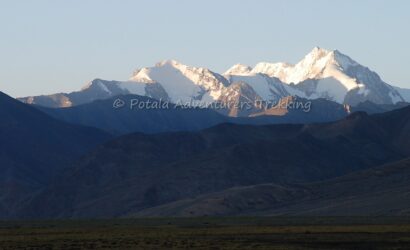
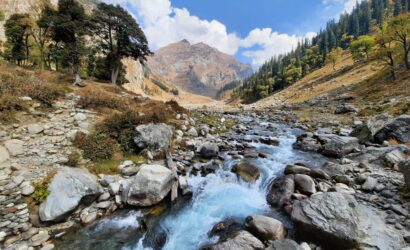
Spiti valley is located on the Tibetan border enclosed on the South East by Tibet, North West by Ladakh, and West by Lahaul and Kullu. Geologically and archeologically Spiti valley is a living museum. Spiti valley is high altitude cold desert and in its lunar landscapes are still stretches, where every other rock is fossils. Spiti valley is formed by the Spiti River, which rises on the slopes of Kunzom La (4’551 m) and ends at the river confluence with Pare-Chu near Sumdo. The length of the valley is about 150km. En route, the Spiti River receives the water of many streams: Guindi Nala, Parilungbi Chu, Pin River, and Lingti River. There are two routes to Spiti valley, one over Rohtang La (3’978m/13’050ft) and Kunzom La and the other via Shimla, Rampur, and Kinnaur.
Trip Highlights
- Explore Spiti Valley
- Ancient monasteries and high villages
- The Lake of Moon "Chandratal"
Itinerary
An early departure from Manali, we drive to Solang, via the Dhundi Atal Tunnel, to Rohtang, and then to the Lahaul & Spiti district of Himachal Pradesh, along the Chandra River to Gramphu. A series of rugged paths leads towards Chatru, Chota Dara, and Batal. We drive along the left bank of the Chandra River and travel about 14km to Chatru, then proceed on the right bank of the Chandra River to Batal. Now road climbs to Kunzom la pass and enters the Spiti valley. We arrive at Losar, the most picturesque village in the Spiti valley, at an altitude of 4100m. After Kiato, we take the road along the Spiti River, passing through the beautiful hamlets of Pangmo, Hal, and Rangrik. Continue to Kaza.
Overnight hotel/homestay
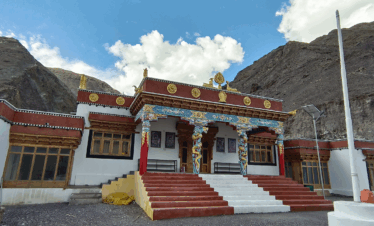
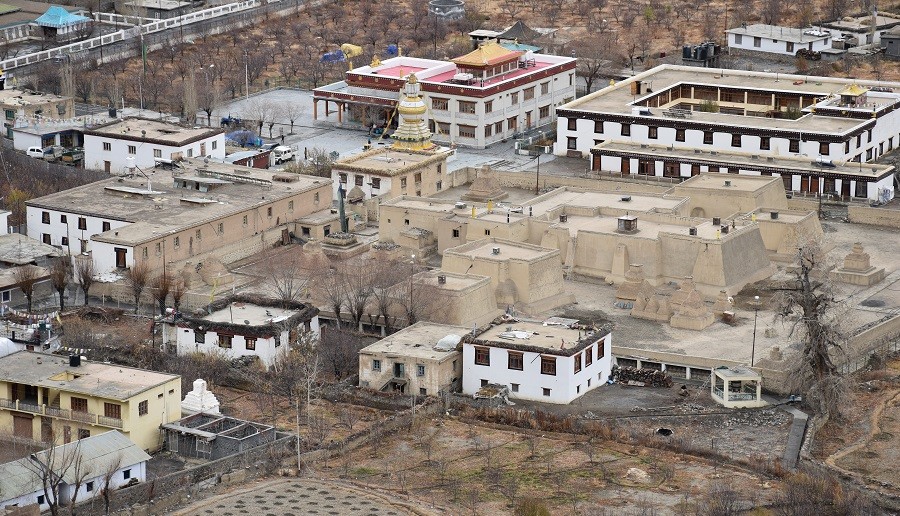
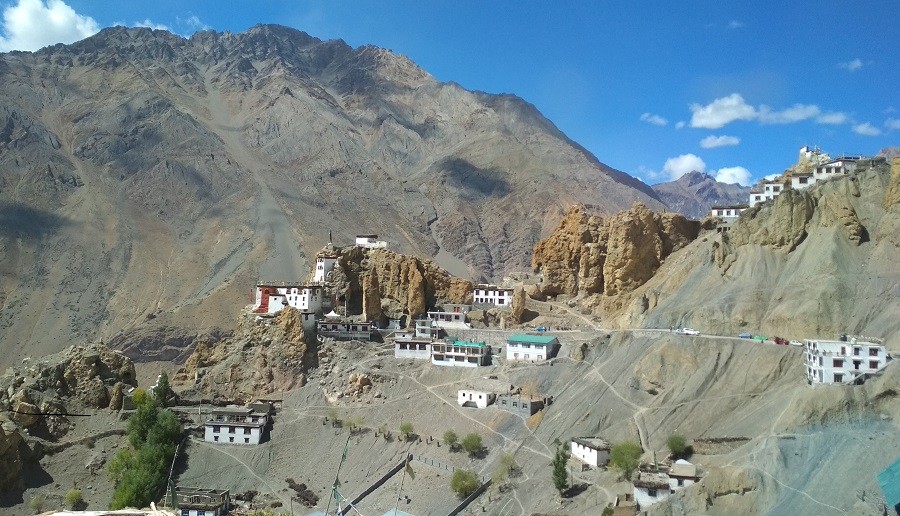
Today, leaving Kaza, you visit Lhalung, Dankhar, Pin Valley, and Tabo. En-route visiting Sherkhang monastery at Lalung and continuing towards Dankhar monastery, 3980 m, located on top of a small hill, is 25 km from Tabo. Dankhar, the traditional capital of the Spiti kingdom, however, Dankhar's main attraction is a natural lake situated 2.5 km. above the village.
Continue to Kungri monastery and Mudh village along the left bank of Pin River to the last village in the Pin Valley.
Pin Valley is a national park known as the land of Ibex and Snow-Leopard. The most interesting to see is the Chamurti horses, which are popularly called the camel of a cold desert. The lifeline of this difficult terrain of Spiti, and the Chamurthi are among the six recognised finest breeds of horses in India. Pin Valley is a protected area, with Rupi Bhaba wildlife sanctuary to its south and Great Himalayan National Park to its southwest.
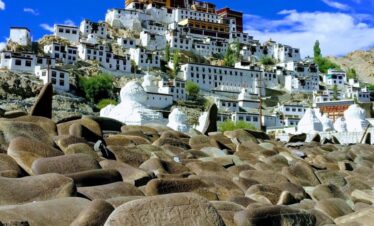
Leaving Pin Valley, continue towards Tabo along the Spiti River. Arriving at Tabo (3050m.), which has the biggest monastic complex in Spiti, Tabo monastery has been declared as a protected monument under the control of the Archeological Survey of India. Built in 996 A.D. by Rinchen Tsangpo, Tabo is known as the Ajanta of the Himalayas. A visit to Tabo gompa & a short hike to Tabo caves.
Overnight homestay
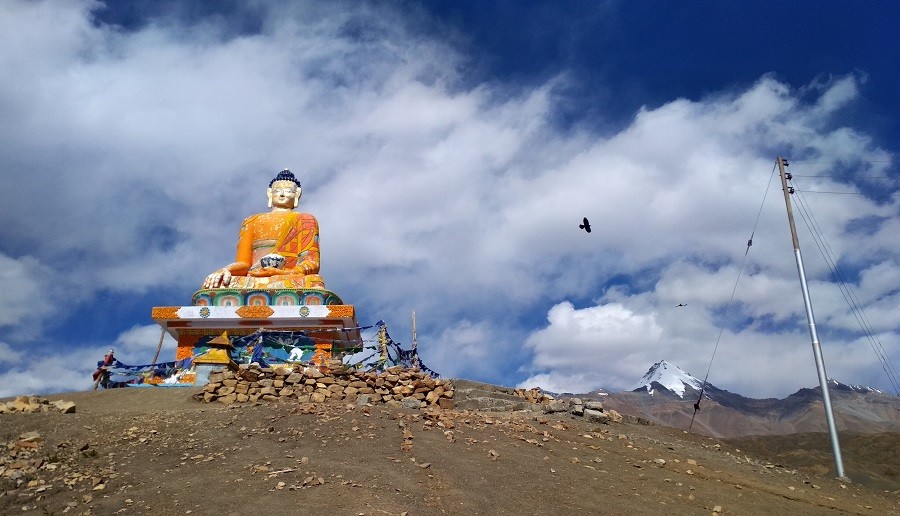
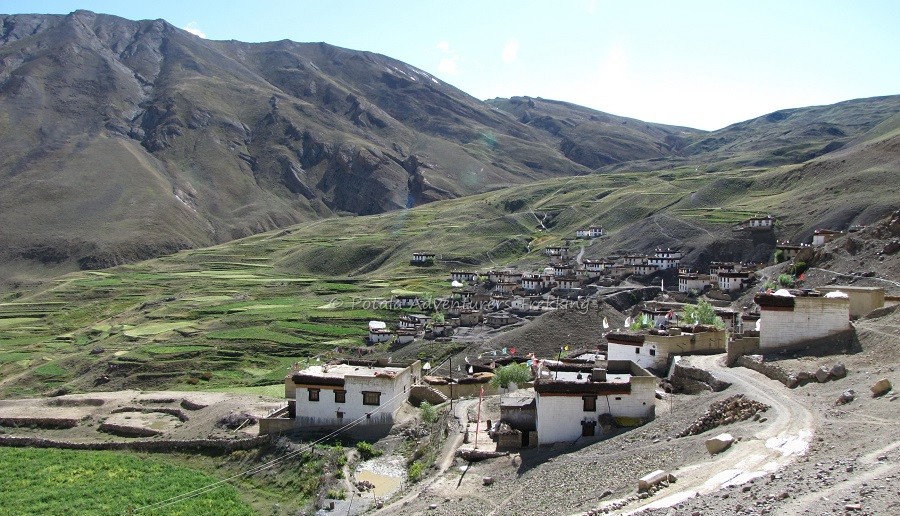
Leaving Tabo back to Lidang, we take a link road to Demul, one of the highest villages in the Spiti valley. After exploring Demul continueing the tour to the high village of Komic, Hikkim, Langza, situated at a height between 13500 ft. and 14400 feet, is a favorite place to find fossils. The high plateau of the Spiti valley & Chau Chau Kang Nilda peak dominate the area. After visiting Tangyud gompa at the Komic village, continue driving to Hikkim and Langza. Finishing today's trip, the road winds down to Kaza.
Overnight hotel/homestay
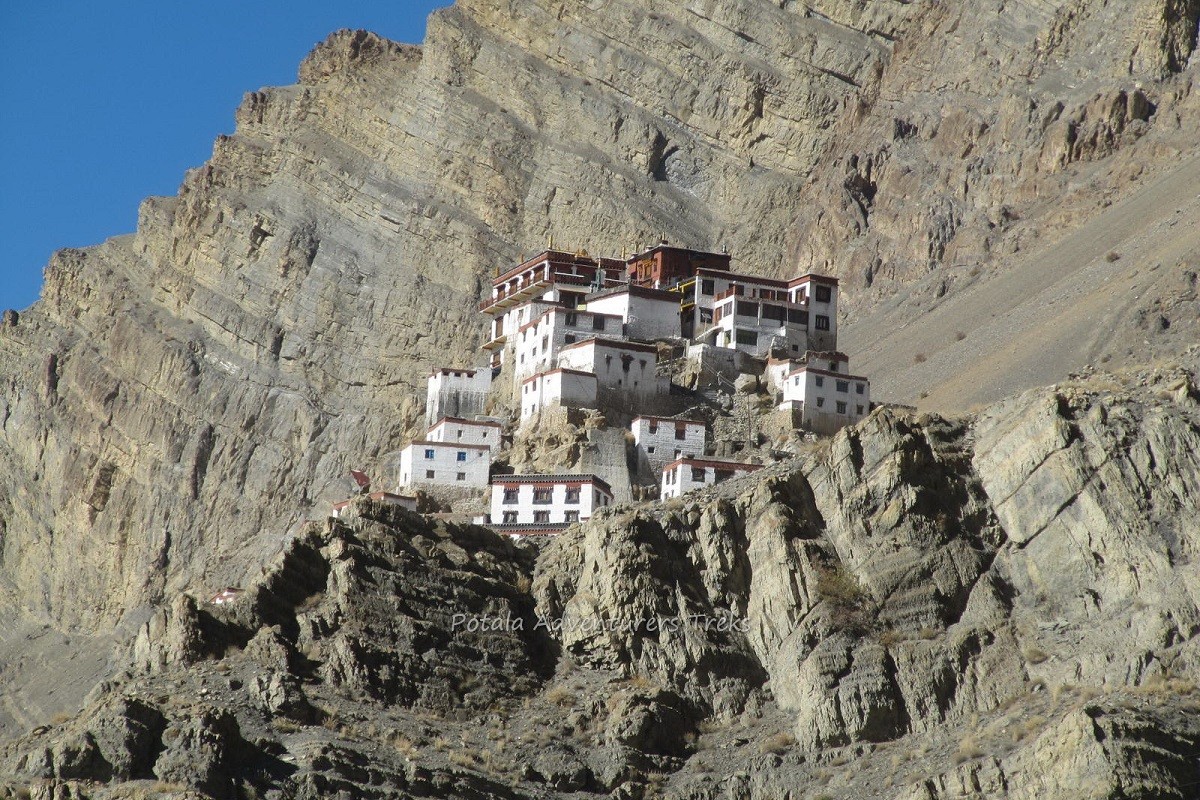
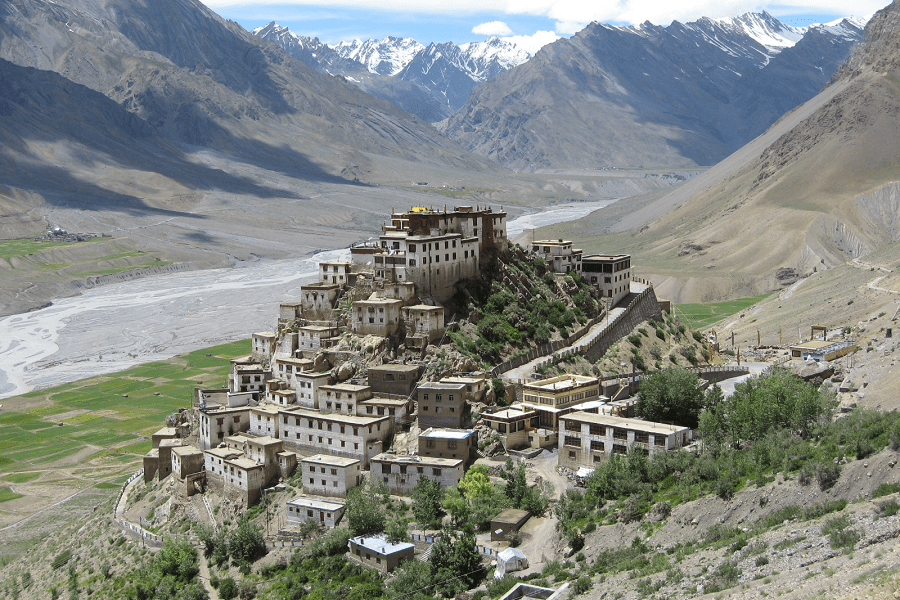
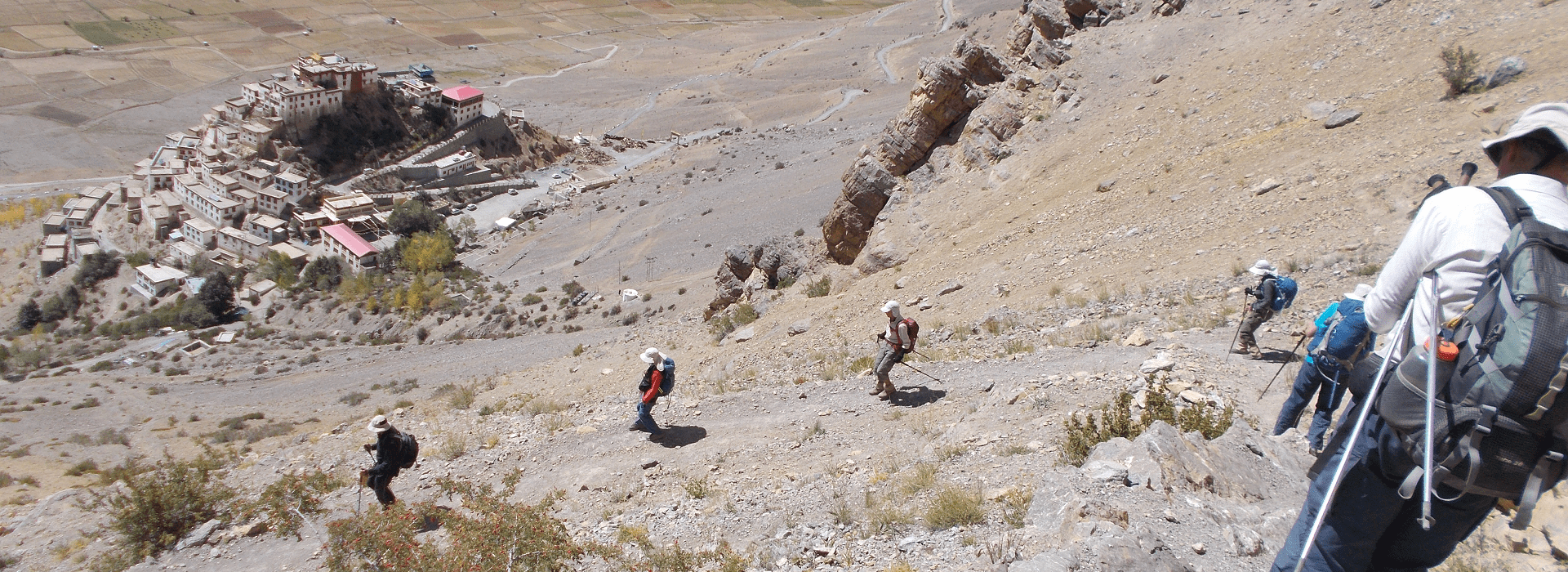
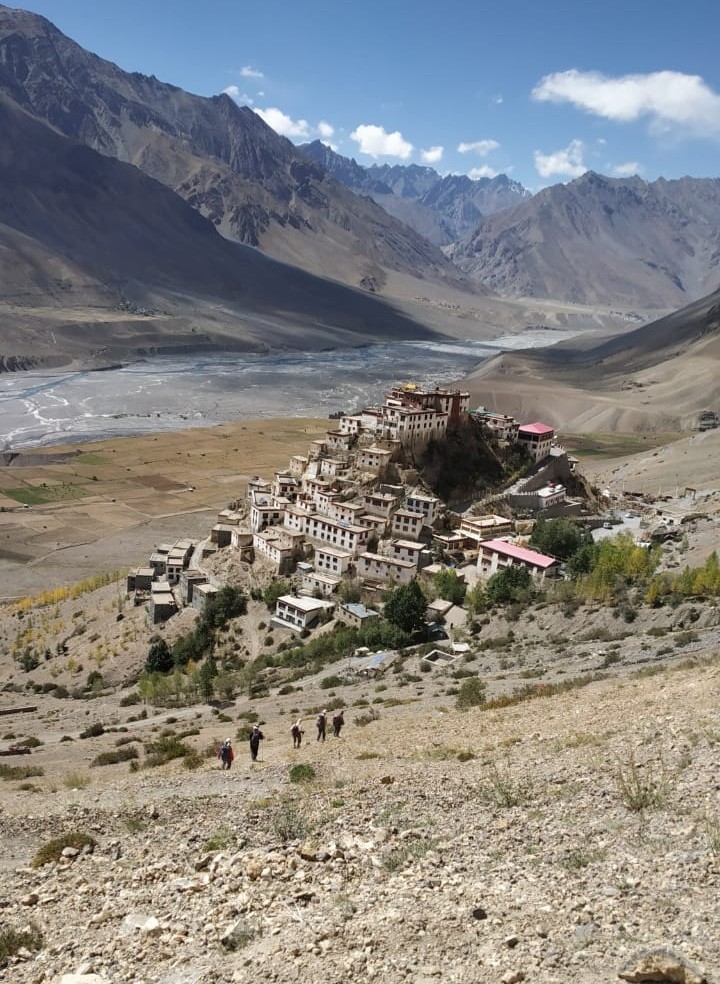
Leaving Kaza, drive to Kee. Exploring around, Kee monastery is the next place to be visited. Situated on a steep ridge on the left bank of the Spiti river belongs to the Gelukpa sect of Tibetan Buddhism. 10 km. above driving up to Kibber village (4205 m.) we visit - Tashi Gang village (4400m.) the 2nd highest village in the world and finally drive back to Kibber for an overnight stay.
Overnight homestay
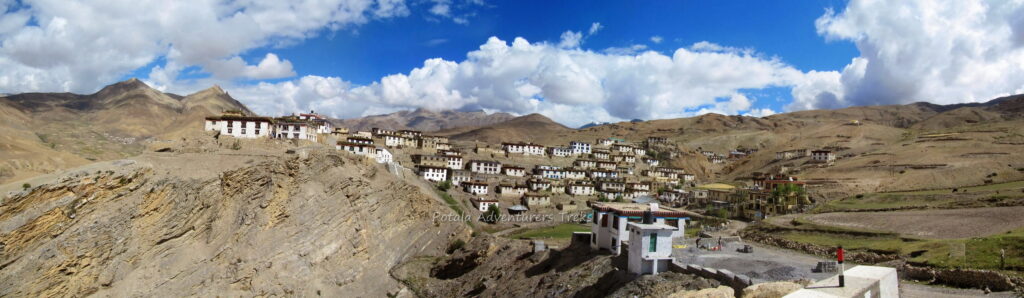 Kibber
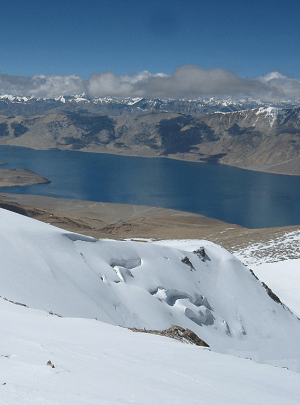
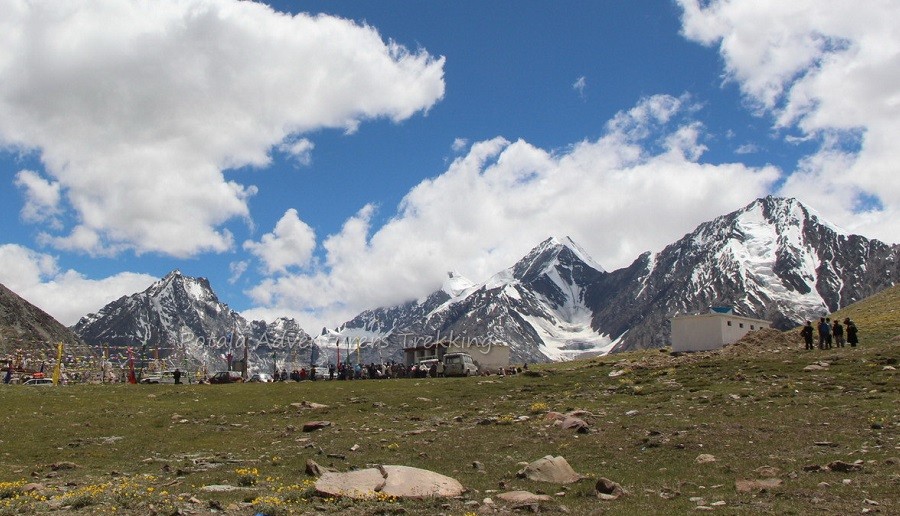
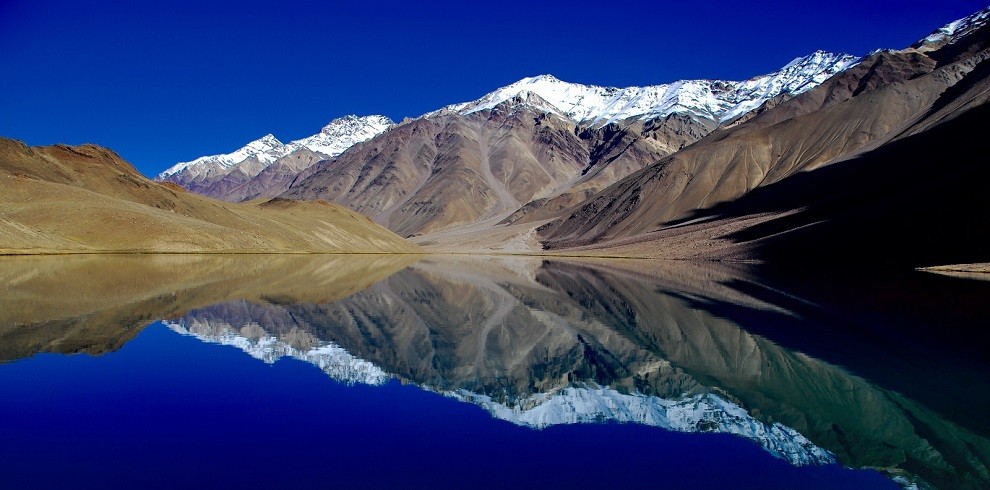
Leaving Kibber drive to Chichim, Dumla, Ladarcha, Kiato to Losar, the last village in the valley. After the Losar road climbs up to Kunzum la pass (4551m), which connects Lahoul with Spiti. The panorama as viewed from the top of the pass is enthralling and inspiring. Continue to Chandratal - The Lake of Moon. Vast meadows around the lake are carpeted with alpine flowers. A magnificent view of the Samudra Tapu glacier and Mulkila range is obtainable from here. Finally, drive back along the Chandra River to Chota Dara and Chatru and to Atal Tunnel towards Manali.
REVIEWS
"I am really touched by few gestures which I think need a mention here. Warm reception at Manali and a gift by Potala. Early breakfast provision at Keylong and Kaza. Warm reception above expectation behavior in the Kalpa hotel. Homely food at home atmosphere, medical care at Kibber. Our pilot Mr. Umesh is very well behaved, soft-spoken, effective, and helpful and have been really sympatric to our problematic situations. Also, he is very much methodical about his approach and achieved perfection in providing a well instrumental tour."
Mr. Durjoy – KOLKATA, 11 to 18 October
Spiti Tour - Himachal Pradesh - India
"Thanks for all the arrangements. The driver from Delhi to Manali was a very experienced one. He drove fast in an experienced way. Me and my team really liked Tenzin from Dhankhar. He is a very friendly, kind and a good driver. We were lucky to be with a local driver. Thanks again and hope everything is in good health and happiness with you. Thanks and kind regards."
Mrs. Lydia - NETHERLANDS - 19 Aug to 31 Aug
Cost Includes
- All ground transportation to & fro as per the itinerary Manali to Manali.
- 4 nights of hotel/homestay on MAP plan.
- Support vehicle - Toyota Innova / Crysta, Mahindra SUV, or Scorpio with experienced driver.
- Tour guide on request.
- Goods and services tax.
- First aid medical kit.
Cost Excludes
- Domestic flight.
- Hotel accommodation in Manali.
- Travel insurance.
- Soft or hard drinks.
- Entrance fee at monasteries.
- Personal tipping to staff: Guide, cook, camp crew, horsemen, porters, driver.
- Any unforeseen cost arises by natural hazards rain, snow, roadblock which cost extra lodging & boarding beyond trip Schedule.
Spiti valley is located on the Tibetan border enclosed on the South East by Tibet, North West by Ladakh, and West by Lahaul and Kullu. Geologically and archeologically Spiti valley is a living museum. Spiti valley is high altitude cold desert and in its lunar landscapes are still stretches, where every other rock is fossils. Spiti valley is formed by the Spiti River, which rises on the slopes of Kunzom La (4’551 m) and ends at the river confluence with Pare-Chu near Sumdo. The length of the valley is about 150km. En route, the Spiti River receives the water of many streams: Guindi Nala, Parilungbi Chu, Pin River, and Lingti River. There are two routes to Spiti valley, one over Rohtang La (3’978m/13’050ft) and Kunzom La and the other via Shimla, Rampur, and Kinnaur.